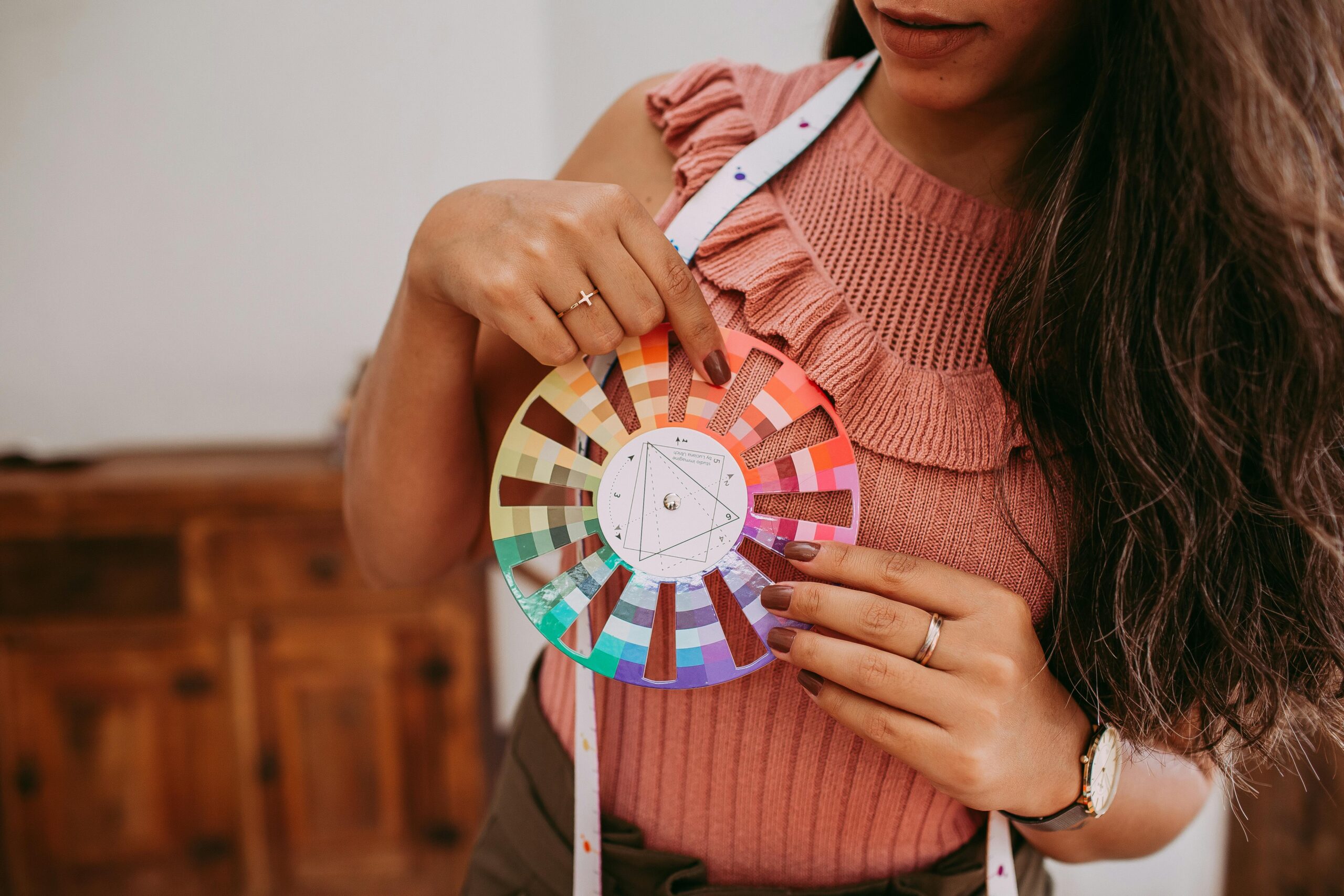
Figuring out which colors make you look vibrant instead of washed‑out doesn’t have to be a guessing game. If you’ve ever stood in front of your wardrobe wondering why some pieces make you glow while others feel dull, a color analysis quiz can be your secret weapon. These quizzes categorize your natural coloring — the hues in your skin, eyes and hair — into seasonal groups and recommend the shades that harmonize with you. This guide explains how seasonal color analysis works, why a quiz can help, and how to interpret your results. Along the way we’ll explore free quizzes, photo‑based tools and online assessments and answer common questions about seasonal color palettes.
What Is a Color Analysis Quiz?

Color analysis grew out of 20th‑century color theory and has since been popularized by stylists and beauty brands. It’s built around the idea that everyone has a natural palette that can be harmonized with clothing and makeup. According to the Concept Wardrobe, each seasonal palette mirrors the color aspects of an individual’s natural coloring — the undertones of their skin, the hue of their eyes and the shade of their hair [theconceptwardrobe]. The goal of a color analysis quiz is to identify this natural palette and match it to one of the four seasons (Spring, Summer, Autumn or Winter) or to one of twelve extended sub‑seasons.
A seasonal color analysis quiz asks questions about your skin undertone, hair depth and eye brightness. Some quizzes are interactive tools that analyze a selfie; others rely on written assessments. The fashion blogger Gabrielle Arruda notes that seasonal color analysis uses three primary dimensions: hue, value and chroma [gabriellearruda]. Hue determines whether you look better in warm or cool shades. Value describes how light or dark a color is, and chroma measures how bright or muted it appears. Free quizzes — such as the one from e.l.f. Cosmetics — analyze these dimensions using AI to reveal your color season and even provide a curated Pinterest board. Whether you use a free color analysis quiz or a paid session with a consultant, understanding these three dimensions helps you interpret the results.
Hue: Warm, Cool or Neutral
Hue refers to the undertone of a color. The Concept Wardrobe explains that adding yellow warms a color, while adding blue cools it [theconceptwardrobe]. In color analysis, you determine whether your natural features have warm (yellow), cool (blue) or neutral (red) undertones. A color analysis quiz photo often asks whether gold or silver jewelry flatters your skin or whether your veins appear green or blue — both signals of your skin undertone. In general:
-
Warm seasons (Spring and Autumn) suit golden, peachy and earthy shades.
-
Cool seasons (Summer and Winter) look better in blue‑based colors and jewel tones.
-
Neutral seasons (neutral‑warm or neutral‑cool sub‑seasons) fall between these extremes.
Value: Light, Medium or Dark
Value measures how much white or black is added to a color. A light value means a tint (white added) and a dark value means a shade (black added). The Concept Wardrobe describes value as the scale that tells us how light or dark a color is [theconceptwardrobe.com]. When assessing your own coloring, consider the contrast between your features — for example, pale skin with dark hair typically indicates high contrast (dark value). A season color analysis quiz will ask about your hair and eye depth to evaluate value. Spring and Summer are lighter seasons, while Autumn and Winter are deeper.
Understanding Seasonal Color Theory
Modern seasonal color analysis divides people into four main seasons — Spring, Summer, Autumn and Winter — each associated with specific combinations of hue, value and chroma. The Concept Wardrobe summarizes the basic categories: Spring combines warmth and lightness and is generally bright; Summer combines coolness and lightness and tends to be muted; Autumn combines warmth and darkness and is muted; and Winter combines coolness and darkness and is bright [theconceptwardrobe]. Many quizzes refine these categories into twelve sub‑seasons for more nuance.
Spring
Spring is warm and light. If you belong to a Spring palette, your undertones lean yellow, and your features have low contrast. Bright, clear colors like coral, peach, turquoise and sunny yellow make you glow. A seasonal color palette quiz may tell you that you’re a Light Spring, True Spring or Clear Spring; each sub‑category points to different levels of brightness and warmth. Springs should avoid muddy or overly dark colors because they overwhelm your delicate features.
Summer
Summer is cool and light. People in this season have soft, muted features and blue or pink undertones. Pastels and cool neutrals — think lavender, powder blue and rose — harmonize well. A what color season am I quiz might identify you as Light Summer, True Summer or Soft Summer. Since Summers are muted, neon or vivid hues can overpower you.
Autumn
Autumn is warm and dark. Rich, earthy colors such as olive, burnt orange, mustard and chocolate brown complement Autumns. A what’s my color palette quiz may classify you as Warm Autumn, Deep Autumn or Soft Autumn. These palettes are muted, so bright, icy colors tend to clash. If you search for a free colour analysis, many sites will show Autumn examples with warm undertones and deep chroma.
Winter
Winter is cool and dark. High contrast features (pale skin with dark hair, or deep skin with vibrant eyes) and cool undertones typify this season. Winters shine in jewel tones like emerald, sapphire and ruby, along with crisp neutrals such as black, navy and stark white. When taking a color season test, Winters often note that rich, intense colors make their features pop. Winters should avoid warm, earthy hues because they create a dull effect.
Taking a Color Analysis Quiz
Once you understand hue, value and chroma, you can evaluate your features manually — but for many people, an online or free color analysis quiz is faster. Brands like e.l.f. Cosmetics offer tools that analyze a selfie: upload a photo in natural light and the program examines your hue (warm or cool), value (light or deep contrast) and chroma (bright or muted) to reveal your color season. If you prefer not to upload a photo, you can take a colour analysis quiz that asks multiple‑choice questions. Whichever method you choose, keep these tips in mind:
-
Use natural daylight. Artificial lighting alters skin tone. When using a color analysis quiz photo, stand facing a window to capture your true coloring.
-
Avoid makeup and filters. Foundation and filters can neutralize or exaggerate undertones, leading to inaccurate results in a colour analysis quiz.
-
Check your hair and eye color. Many quizzes ask about the depth and clarity of your hair and eyes; answer as accurately as possible to ensure your color palette quiz result is reliable.
-
Take multiple quizzes. Because questionnaires vary in design, try several — a seasonal color analysis quiz, an online color analysis quiz and even a my color palette quiz — and compare results. Consistency across different tools suggests you’re on the right track.
Free vs. Paid Assessments
You don’t need to spend money to discover your season. A free color analysis quiz can provide solid insights. In fact, e.l.f.’s tool not only determines your season but also provides a personalized Pinterest board for shopping inspiration [elfcosmetics.com]. Many fashion blogs and beauty websites also offer color analysis quiz free options. However, if you want a professional eye, you can book a session with a trained consultant who will drape fabrics around your face to observe how different colors affect your complexion. This in‑person colour analysis tends to be more precise because the human eye can discern subtle shifts that digital tools might miss.
Interpreting Your Results and Building a Wardrobe
After you complete a what is my color season quiz, the fun begins: curating your wardrobe and makeup bag to your personal palette. Knowing your season simplifies shopping because you can focus on colors that flatter you. As e.l.f. Cosmetics notes, color analysis is all about finding the hues that make you look and feel vibrant — it’s a personal cheat sheet for choosing clothing and makeup. When you know your best colors, everyday decisions become easier — from selecting a foundation shade to picking a scarf.
Wardrobe Color Matching
Use your season’s palette as a blueprint. If you’re a Spring, build your closet around light, warm tones like coral and peach. Winters should prioritize contrast, pairing deep, cool colors with crisp whites. For Autumns, look for earthy neutrals and rich jewel tones; for Summers, choose soft pastels and dusty hues. A wardrobe color matching strategy helps you coordinate outfits effortlessly, so everything pairs well. You can even download a color style guide for your season to keep in your closet.
Makeup and Hair Decisions
Your personal palette extends beyond clothing. A personal color palette influences which lipstick or blush brightens your face, which hair dye flatters your complexion, and even which accessories (gold vs. silver) look best. Many free color analysis tools provide makeup suggestions based on your season. For example, Winters are advised to wear cool red lipsticks, while Autumns glow in warm brick or terracotta shades.
Accessorizing and Personal Style
A fashion color quiz might recommend metals (gold vs. silver) based on your undertone. Warm seasons typically shine in gold jewelry, whereas cool seasons suit silver. Use your palette to select scarves, hats, shoes and even nail polish. Don’t feel limited by strict rules; color analysis is a guide, not a mandate. If you love a color outside your palette, wear it away from your face or mix it with colors that flatter you.
How to Find Your Color Palette: DIY Tips
If you want to experiment before taking an online color analysis quiz, try these at‑home tests:
-
Metal Test – Hold gold and silver jewelry near your face in natural light. The Concept Wardrobe notes that if gold suits you, you likely have warm undertones; if silver looks better, you have cool undertones. If both look fine, you may be neutral.
-
Vein Test – Look at the veins on your wrist. Greenish veins typically indicate warm undertones, while bluish veins suggest cool undertones.
-
White Paper Test – Hold a sheet of white paper next to your face. If your skin looks yellowish, you have warm undertones; if it appears pink or rosy, you are cool.
-
Color Draping – Drape different colored fabrics around your neck and shoulders. Observe which shades brighten your complexion and which cause shadows. This method mirrors the draping process used by professional color analysts and is a form of color type assessment.
These DIY tests, combined with a skin undertone quiz and a color matching for outfits checklist, can help you narrow down your season before confirming with a quiz.
Frequently Asked Questions
What is my color season quiz?
A what is my color season quiz asks targeted questions about your complexion and may request a photo to determine whether you are a Spring, Summer, Autumn or Winter. You’ll often find this term used interchangeably with color analysis quiz, colour analysis quiz and season color analysis quiz. The process evaluates your hue, value and chroma to match you with a palette.
What color season am I quiz?
When someone types what color season am I quiz into a search engine, they’re looking for an assessment that classifies their personal coloring. These quizzes are sometimes called color season tests. They typically include questions about hair color, eye brightness and how your skin reacts to gold or silver jewelry. After completing the quiz, you’ll receive one of the four seasons or a sub‑season, along with a recommended palette.
What’s my color palette quiz?
If you want a comprehensive palette tailored to you, a what’s my color palette quiz or my color palette quiz can help. These quizzes go beyond naming your season; they suggest specific shades within your palette and may even create a visual palette. Some are photo‑based; others are text‑based. Remember to take the quiz in good lighting and answer honestly to ensure the most accurate online color analysis quiz results.
How do I know what season I am?
Besides taking a free colour analysis, you can look at your natural features. Warm undertones, light hair and low contrast typically indicate Spring, while cool undertones, light hair and muted features suggest Summer. Warm undertones, dark hair and rich eye color point to Autumn, and cool undertones with high contrast indicate Winter. Reading a fashion color guide or consulting a stylist can clarify any confusion.
Are free color analysis quizzes accurate?
Many free tools provide a reliable starting point. The e.l.f. tool, for example, quickly assesses your hue, value and chroma and gives you a custom shoppable board. However, if you receive different results from multiple quizzes, consider booking a professional analysis for clarity. Remember that seasonal colors are guidelines; you can always adapt them to suit your personal taste.
Conclusion
Understanding your personal color palette is a game‑changer. A well‑constructed color analysis quiz simplifies the process by evaluating your hue, value and chroma and assigning you to a season. Once you know your season, you can use a color style guide to streamline shopping, coordinate outfits and choose makeup that enhances your features. Whether you take a seasonal color analysis quiz, a colour analysis quiz or a free color analysis quiz, the key is to have fun exploring color. Your palette is a tool for self‑expression — not a strict rulebook — so use it to develop a wardrobe that reflects your personality and makes you feel confident.