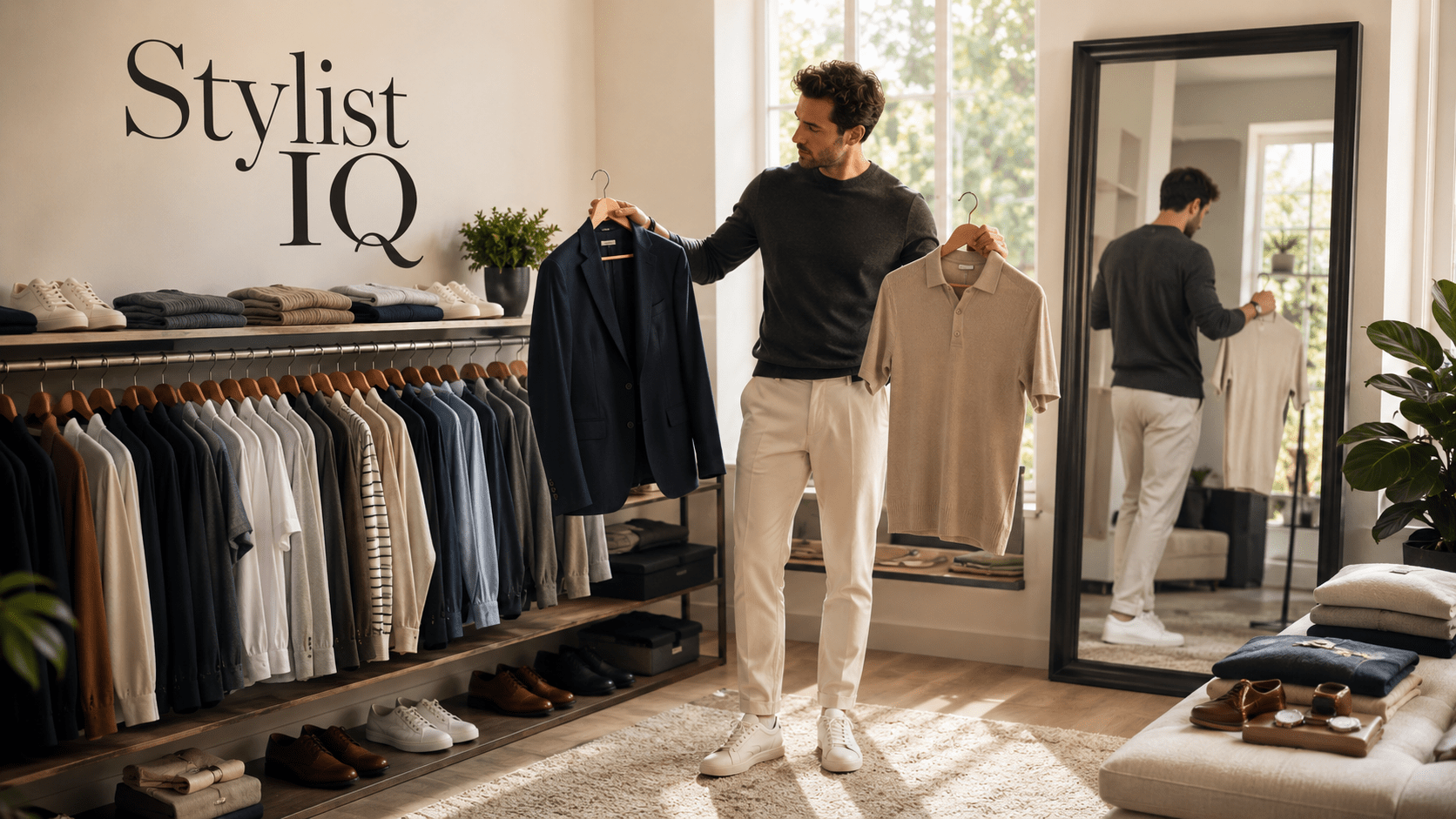
Have you ever opened your wardrobe and thought, “what is my clothing style?” You may own plenty of shirts, trousers, jackets, and shoes, yet still struggle to create outfits that feel like you. This is common, especially when fashion trends change quickly and social media presents a new aesthetic every week.
Personal style is not simply about wearing expensive clothes or following the latest trends. It is the way you use clothing to express your personality, lifestyle, preferences, and confidence. Understanding your style can make shopping easier, reduce unnecessary purchases, and help you feel more comfortable in everything you wear.
If you are wondering what’s my clothing style, searching for a reliable fashion style quiz, or trying to build a practical everyday wardrobe, this guide will help you identify the looks that suit you best.
What Is Personal Clothing Style?
Personal clothing style is the combination of colors, fits, fabrics, patterns, and outfit types that you naturally enjoy wearing. It reflects who you are and how you want other people to see you.
Your style might be casual, classic, minimalist, streetwear-inspired, sporty, business casual, or a mix of several categories. You do not have to fit perfectly into one fashion label. Most people have a primary style supported by one or two secondary influences.
When asking what is my clothes style, consider more than what looks good in photographs. Think about what works for your body, daily routine, comfort level, profession, and social life.
A good personal style should be:
- Comfortable enough for regular wear
- Suitable for your daily activities
- Easy to maintain
- Consistent with your personality
- Flexible enough for different occasions
The goal is not to copy someone else’s wardrobe. The goal is to create a wardrobe that makes getting dressed easier.
Why Is It Important to Find Your Clothing Style?
Knowing your style saves time, money, and energy. When you understand which pieces work for you, you are less likely to purchase clothing that remains unworn.
Many people shop without a clear plan. They buy something because it is discounted, trendy, or attractive on a model. Later, they realize it does not match anything they own. Understanding what’s my fashion style gives you a framework for making better purchasing decisions.
A defined style can also help you:
- Build coordinated outfits more quickly
- Avoid impulse buying
- Choose flattering colors and silhouettes
- Create a more organized wardrobe
- Feel confident in professional and social settings
- Develop a recognizable personal image
Your clothing style becomes a practical filter. Before buying an item, you can ask if it fits your preferred look, lifestyle, and existing wardrobe.
What Is My Clothing Style? Start With Your Current Wardrobe
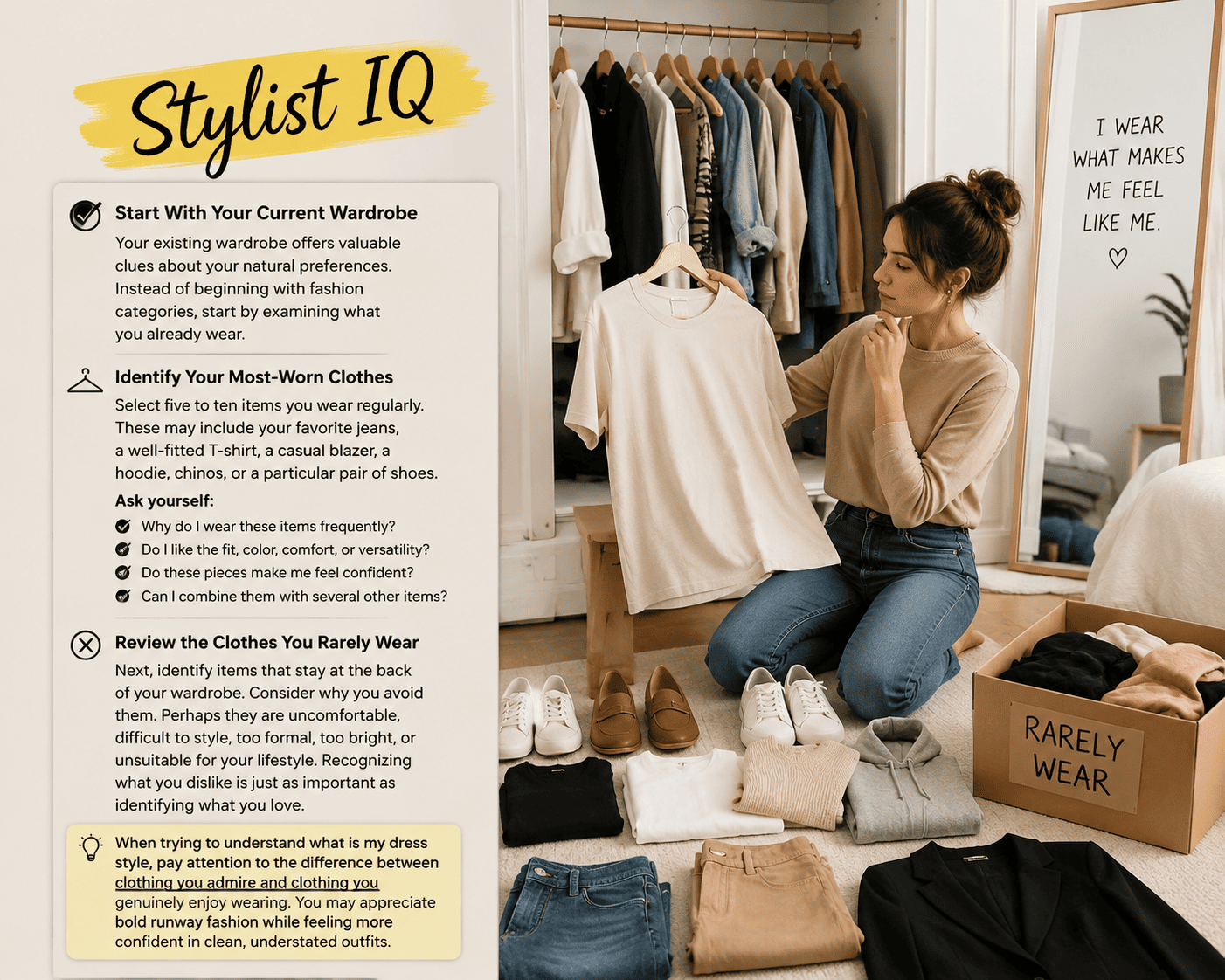
Your existing wardrobe offers valuable clues about your natural preferences. Instead of beginning with fashion categories, start by examining what you already wear.
Take out the clothing you use most often. Look for similarities in color, fit, material, and overall appearance.
Identify Your Most-Worn Clothes
Select five to ten items you wear regularly. These may include your favorite jeans, a well-fitted T-shirt, a casual blazer, a hoodie, chinos, or a particular pair of shoes.
Ask yourself:
- Why do I wear these items frequently?
- Do I like the fit, color, comfort, or versatility?
- Do these pieces make me feel confident?
- Can I combine them with several other items?
Your most-worn clothes often provide a more accurate answer to what is my clothing style than the outfits you save on social media.
Review the Clothes You Rarely Wear
Next, identify items that stay at the back of your wardrobe. Consider why you avoid them.
Perhaps they are uncomfortable, difficult to style, too formal, too bright, or unsuitable for your lifestyle. Recognizing what you dislike is just as important as identifying what you love.
When trying to understand what is my dress style, pay attention to the difference between clothing you admire and clothing you genuinely enjoy wearing. You may appreciate bold runway fashion while feeling more confident in clean, understated outfits.
Discover the Main Fashion Style Categories
Learning about common fashion categories can help you describe your preferences. You may belong to one category or combine elements from several.
Classic Style
Classic style focuses on timeless, polished pieces that do not quickly go out of fashion. Common items include Oxford shirts, neutral chinos, structured jackets, leather shoes, and simple knitwear.
This style may suit you when you prefer:
- Neutral colors
- Clean lines
- Tailored fits
- High-quality basics
- Simple patterns
- Versatile clothing
People with classic style usually value long-term wear over fast-changing trends.
Casual Style
Casual fashion is relaxed, comfortable, and easy to wear. It may include jeans, T-shirts, sneakers, overshirts, sweatshirts, and lightweight jackets.
If you are asking what’s my clothing style and most of your wardrobe is practical and comfortable, casual fashion may be your dominant category.
Casual does not have to mean careless. A well-fitted T-shirt, clean sneakers, and quality jeans can create a stylish outfit without appearing overly formal.
Minimalist Style
Minimalist style uses a limited color palette, simple shapes, and functional pieces. Black, white, grey, navy, beige, and olive are common choices.
Minimalist wardrobes are often built around:
- Plain shirts and T-shirts
- Straight or tapered trousers
- Uncomplicated outerwear
- Simple footwear
- Limited patterns
- Coordinated neutral colors
This style is ideal for people who want fewer clothes and more outfit combinations.
Streetwear Style
Streetwear combines comfort, youth culture, sportswear, and bold visual elements. Oversized T-shirts, hoodies, cargo trousers, sneakers, caps, and statement jackets are common.
Modern streetwear can range from simple and understated to colorful and logo-heavy. Your preferred version will depend on your personality and comfort level.
Smart-Casual Style
Smart-casual fashion sits between relaxed and formal clothing. It is useful for offices, dinners, dates, events, and social gatherings.
Typical pieces include:
- Polo shirts
- Button-down shirts
- Chinos
- Dark jeans
- Loafers
- Clean sneakers
- Unstructured blazers
When someone asks what is my clothes style and regularly combines casual basics with polished pieces, smart casual is often the best description.
Sporty or Athleisure Style
Sporty style prioritizes movement, comfort, and performance-inspired clothing. Joggers, performance tops, sneakers, zip-up jackets, and lightweight layers are common.
Athleisure works particularly well for active lifestyles, remote work, casual weekends, and travel.
Rugged or Workwear Style
Rugged fashion is inspired by traditional workwear and outdoor clothing. It often includes denim, boots, flannel shirts, canvas jackets, utility trousers, and heavier fabrics.
This style appeals to people who prefer durable clothing, earthy colors, and masculine silhouettes.
What Fashion Style Am I? Consider Your Lifestyle
Your wardrobe must support the life you actually live. An outfit can look impressive but still be a poor choice when it does not fit your daily activities.
To answer what fashion style am i, think about how you spend an average week.
Do you work in a corporate office, creative studio, retail environment, or from home? Do you attend client meetings? Do you travel regularly? Are your weekends active or relaxed?
Divide your lifestyle into categories, such as:
- Work
- Social events
- Exercise
- Travel
- Relaxing at home
- Formal occasions
Then estimate how much clothing you need for each category. Someone who works remotely may require more casual and smart-casual pieces than formal suits. A professional who regularly meets clients may need structured shirts, trousers, blazers, and polished shoes.
Your ideal style should match your real schedule, not an imaginary lifestyle.
Find Your Dress Style Through Inspiration
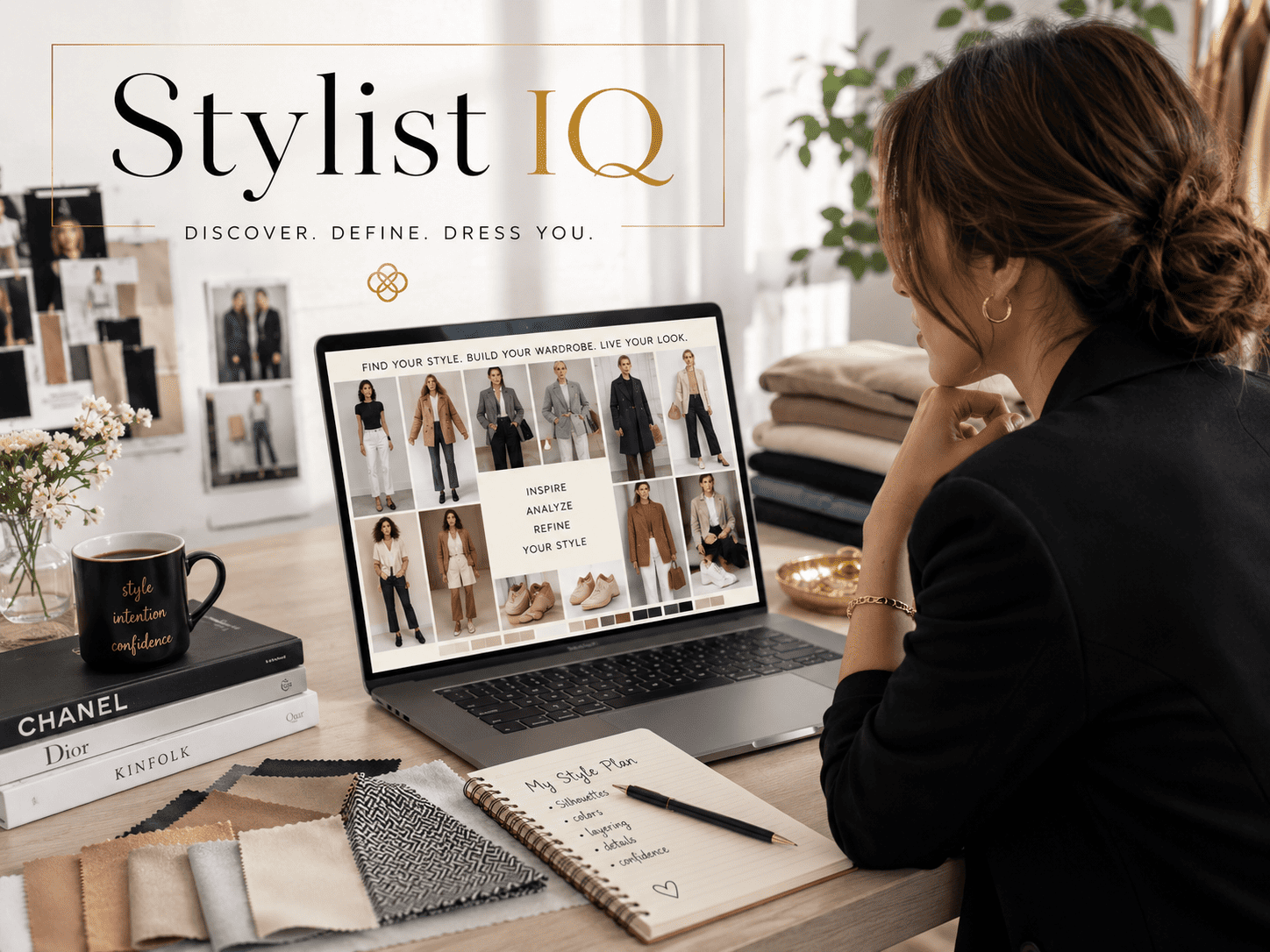
Fashion inspiration can help you recognize visual patterns in the outfits you like.
Create a digital folder or inspiration board and save outfits that immediately appeal to you. Do not analyze them at first. After collecting 20 to 30 images, review them together.
Look for repeated details:
- Similar colors
- Particular trouser fits
- Repeated jacket styles
- Formal or casual footwear
- Plain or patterned shirts
- Fitted or oversized silhouettes
- Simple or layered outfits
This process can help you find your dress style without forcing yourself into a predetermined category.
However, inspiration should remain practical. Select ideas that can work with your body, budget, climate, and daily routine.
Use a Fashion Style Quiz for More Direction
A fashion style quiz can provide a useful starting point when you are unsure how to describe your preferences. These quizzes usually ask about your favorite colors, lifestyle, preferred fits, shopping habits, and ideal outfits.
Searching for a what is my fashion style quiz may help you identify if you lean toward classic, casual, minimalist, streetwear, sporty, or another style.
Similarly, a what is my style quiz can highlight preferences you may not have noticed. For example, your answers might reveal that you consistently choose neutral colors, comfortable fabrics, and simple silhouettes.
Quiz results should be treated as guidance rather than strict rules. Personal style evolves, and no online result can fully account for your personality or lifestyle.
What's My Fashion Style? Study Your Preferred Fit
Fit has a major influence on how clothing looks and feels. Two people can wear the same type of outfit and create completely different impressions based on fit.
Ask yourself if you prefer:
- Slim and structured clothing
- Regular, balanced fits
- Relaxed silhouettes
- Oversized streetwear
- Tailored garments
When answering what’s my fashion style, do not focus only on specific items. Notice the silhouette you repeatedly choose.
A classic dresser may prefer fitted shirts and tailored trousers. A streetwear enthusiast may choose wider trousers and oversized tops. A minimalist may prefer straight, clean silhouettes without unnecessary details.
The best fit should give you freedom of movement while creating the shape you want.
Identify Your Best Colors
Color is another important part of personal style. Some people naturally enjoy neutral wardrobes, while others feel more confident in rich or bright colors.
Start by identifying the colors you wear most. Then consider which shades:
- Complement your skin tone
- Match easily with other pieces
- Make you feel confident
- Work in your professional environment
- Suit your local climate
A useful wardrobe usually contains a foundation of versatile colors. Navy, black, white, grey, beige, brown, and olive are easy to coordinate. Accent colors can then add personality.
Build a Signature Look
A signature look is a repeatable outfit formula that represents your style. It does not mean wearing exactly the same clothes every day. It means identifying combinations that consistently work for you.
Examples include:
- Plain T-shirt, overshirt, dark jeans, and sneakers
- Oxford shirt, chinos, and loafers
- Knit polo, tailored trousers, and leather sneakers
- Hoodie, cargo trousers, and statement sneakers
- Denim jacket, basic tee, workwear trousers, and boots
Developing two or three reliable formulas can simplify your routine. It also makes shopping more focused because you know which pieces support your preferred combinations.
This is one of the most effective ways to find your dress style and create a recognizable appearance.
Build a Capsule Wardrobe That Supports Your Body and Lifestyle
A practical capsule wardrobe begins with versatile wardrobe essentials, thoughtful fabrics & textures, and high-quality pieces made with quality craftsmanship. Start with comfortable basics such as Tees & Tank styles, well-cut trousers, lightweight layers, and shoes from brands such as Dolce Vita, while always paying close attention to clothing fit. You can find affordable additions at consignment shops, but before ordering online, review the retailer’s returns policy, shipping charges, and if it offers convenient returns. Your clothing needs may change during the baby stage, while waking up early, returning to work, or adjusting to a new routine. This is especially relevant for women over forty and people with mature body types, who are often overlooked by unrealistic beauty standards.
Embracing body positivity can help you choose clothing for your current body instead of waiting for a future version of yourself. Books such as The F*ck It Diet by Caroline Dooner also encourage readers to question diet culture and create more mental space around food, clothing, and appearance. Although topics such as Weight Loss, a personal weight loss journey, or reaching an optimal weight may influence how someone thinks about sizing, your wardrobe should support comfort and confidence today. Rather than postponing good style until your body changes, select flattering, functional clothes that make everyday dressing easier and reflect who you are now.
How a Men's Apparel Subscription Can Help
Building a wardrobe can feel overwhelming when you do not know which colors, fits, or pieces to choose. A men’s apparel subscription may simplify the process by introducing coordinated clothing based on personal preferences.
Some shoppers prefer a men’s outfit in a box because it reduces the need to search through hundreds of products. Instead of buying random individual pieces, they can explore items selected to work together.
A styling service may be especially useful for men who:
- Have limited time for shopping
- Want to improve their appearance
- Feel unsure about fit or color
- Need outfits for work, dates, or events
- Want to experiment with new styles
- Prefer curated recommendations
Before selecting any service, review its pricing, return policy, sizing process, and customization options.
What Is My Clothes Style? Create a Small Test Wardrobe
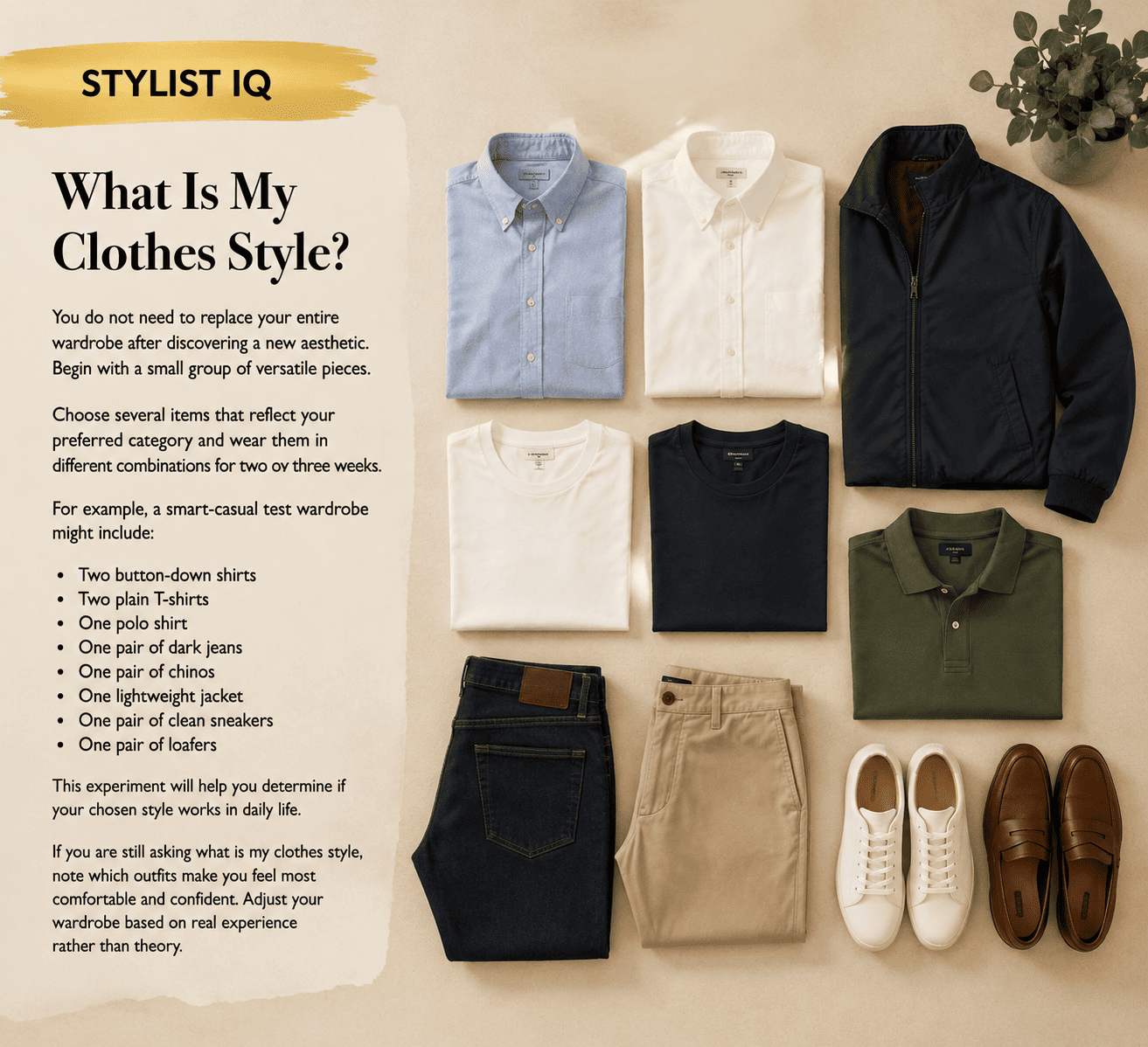
You do not need to replace your entire wardrobe after discovering a new aesthetic. Begin with a small group of versatile pieces.
Choose several items that reflect your preferred category and wear them in different combinations for two or three weeks.
For example, a smart-casual test wardrobe might include:
- Two button-down shirts
- Two plain T-shirts
- One polo shirt
- One pair of dark jeans
- One pair of chinos
- One lightweight jacket
- One pair of clean sneakers
- One pair of loafers
This experiment will help you determine if your chosen style works in daily life.
If you are still asking what is my clothes style, note which outfits make you feel most comfortable and confident. Adjust your wardrobe based on real experience rather than theory.
Common Mistakes When Finding Your Personal Style
Copying an Influencer Completely
An influencer’s wardrobe may suit their body, job, location, and lifestyle but not yours. Take inspiration from individual elements instead of copying every outfit.
Following Every Trend
Trends can make your wardrobe feel current, but they should not replace your core style. Choose only trends that fit your existing preferences.
Ignoring Comfort
An outfit will not become part of your personal style when you constantly feel uncomfortable wearing it.
Buying Without an Outfit Plan
Before purchasing an item, think of at least three ways to wear it. This helps prevent isolated purchases that do not match your wardrobe.
Choosing Labels Instead of Clothes
You do not need to commit permanently to one category. The question what fashion style am i may have more than one answer. You can combine classic tailoring with minimalist colors or mix streetwear with practical workwear.
What Is My Dress Style? Allow It to Evolve
Personal style is not fixed. It can change as your career, body, budget, location, and priorities change.
The clothes you enjoyed five years ago may no longer reflect your current lifestyle. That does not mean your previous choices were wrong. It simply means your needs have evolved.
Review your wardrobe every few months. Remove items that no longer fit, feel comfortable, or support your desired image. Add new pieces slowly and intentionally.
When asking what is my dress style, focus on how you want to dress now rather than trying to preserve an outdated version of yourself.
Final Thoughts on Finding Your Clothing Style
The best answer to what is my clothing style comes from observation, experimentation, and honest self-assessment. Start with your most-worn clothes, study your preferred colors and fits, consider your lifestyle, and collect realistic inspiration.
You can also use a what is my fashion style quiz or what is my style quiz to narrow down your preferences. From there, create a few reliable outfit formulas and build your wardrobe gradually.
If you still wonder what’s my clothing style, remember that you do not need a perfect label. Your personal style may be classic and casual, minimalist and sporty, or smart-casual with streetwear influences.
The same applies when asking what’s my fashion style or what fashion style am i. The right answer is the style that fits your life, makes you feel confident, and helps you express who you are.
Stylistiq can help make that discovery process clearer by encouraging you to understand your preferences, experiment with coordinated looks, and make more intentional clothing choices. Once you understand what works for you, getting dressed becomes less stressful and far more enjoyable.